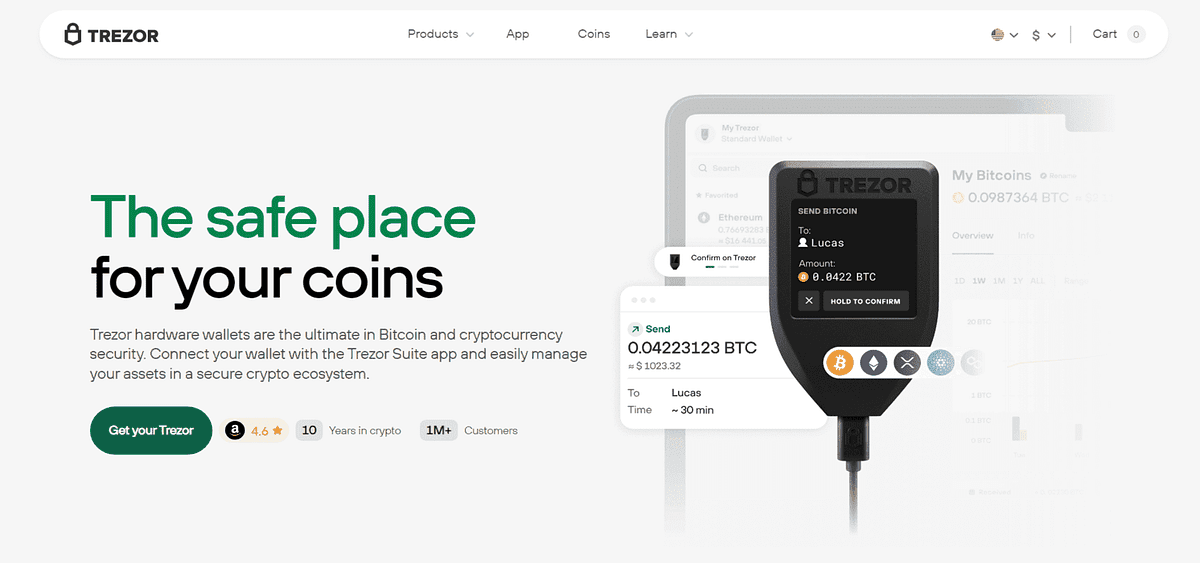
Trezor.io/Start – Your Complete Guide to Setting Up and Securing Your Trezor Wallet
Trezor.io/start is the official starting point for anyone looking to set up a Trezor hardware wallet and take control of their cryptocurrency securely. In the world of digital assets, where ownership means full responsibility, a hardware wallet is one of the safest ways to protect your funds. Trezor.io/start guides both beginners and experienced users through every step of the setup process, from initializing your device to securing your recovery seed and understanding best practices for long-term crypto safety.
This guide explains the key steps of setting up your Trezor wallet, installing Trezor Suite, protecting your recovery seed, verifying device authenticity, and adopting essential security practices to manage your digital assets confidently.
Why Trezor and Self-Custody Matter
Cryptocurrency provides users with full control over their digital assets. Unlike traditional banks or centralized exchanges, where your funds are held by a third party, self-custody ensures that you alone manage your crypto. However, this control comes with responsibility. If your private keys or recovery seed are lost or compromised, there is no third party to recover your funds.
Trezor hardware wallets are designed to mitigate these risks by keeping your private keys offline. By doing so, they protect your assets from online threats such as hacking, malware, and phishing attacks. Trezor.io/start is your official guide to initializing your device securely and understanding how to manage your wallet responsibly. Using unofficial guides or third-party instructions can expose you to scams or technical errors, making the official Trezor guide critical for safe use.
What You Will Find on Trezor.io/Start
Trezor.io/start provides a structured, step-by-step onboarding process that covers:
Unboxing and connecting your Trezor device
Installing Trezor Suite, the official companion application
Initializing the device and creating a PIN code
Generating and securely storing your recovery seed
Verifying that your Trezor device is genuine
Learning security best practices for ongoing crypto protection
Each step is explained clearly to ensure that even first-time users can set up their device without mistakes, while experienced users can follow best practices to maximize security.
Step 1: Connecting and Initializing Your Trezor Device
The first step on Trezor.io/start is connecting your Trezor wallet to your computer or mobile device. Trezor devices connect via USB, and some models also support USB-C connections. When you power on the device, it will display an interface that guides you through the setup.
During initialization, you will create a PIN code. This PIN protects your Trezor wallet from unauthorized physical access. Trezor.io/start emphasizes that your PIN should be unique, strong, and kept confidential. All PIN input occurs directly on the device to prevent exposure to malware or keyloggers on your computer.
It is important to initialize your Trezor in a private, secure location to avoid unauthorized observation. Taking these precautions ensures that your wallet starts securely.
Step 2: Installing Trezor Suite
Trezor Suite is the official application used to manage your Trezor wallet. Trezor.io/start directs users to download Trezor Suite only from the official website, ensuring authenticity and security.
Trezor Suite allows you to:
Manage multiple cryptocurrencies safely
Send and receive digital assets securely
Monitor portfolio balances and transaction history
Update firmware and device applications
Access advanced features like coin-specific apps, password management, and third-party integration
Trezor Suite is available for desktop and web, making it convenient to manage your assets while maintaining strong security. Using the official software ensures that your private keys remain safe and your transactions secure.
Step 3: Creating and Securing Your Recovery Seed
A critical step in the setup process is generating your recovery seed. This 12, 18, or 24-word seed is created directly on your Trezor device and serves as the ultimate backup for your wallet. If your device is lost, stolen, or damaged, the recovery seed allows you to restore access to your funds.
Trezor.io/start provides guidance to:
Write your recovery seed down by hand on the provided recovery card
Never store it digitally or photograph it
Keep it offline in a secure and private location
Never share it with anyone, under any circumstances
Trezor emphasizes that the company will never ask for your recovery seed. Any request for it is a scam. Protecting your recovery seed is the foundation of safe self-custody.
Step 4: Verifying Device Authenticity
Trezor.io/start guides users through verifying that their device is genuine. Using Trezor Suite, you can check that your hardware wallet is authentic and has not been tampered with.
This verification is crucial, as counterfeit devices could compromise the security of your private keys. Ensuring that your Trezor is genuine gives you confidence that your funds are stored safely from the start.
Security Best Practices
Setting up your Trezor device is only the beginning. Ongoing security measures are essential to keep your digital assets safe. Trezor.io/start emphasizes the following best practices:
Verify URLs and Emails: Always check that you are accessing official Trezor websites and applications. Bookmark official sites to avoid phishing scams.
Keep Firmware Updated: Regularly update your device and Trezor Suite to benefit from security improvements.
Never Enter Your Recovery Seed Digitally: Your recovery seed should only be entered on the device itself during setup or recovery.
Be Skeptical of Unsolicited Messages: Avoid responding to emails, social media messages, or calls claiming to offer support in exchange for your recovery seed or PIN.
Store Recovery Seed Securely: Consider multiple secure locations and fireproof or waterproof storage options.
Following these practices helps ensure that your crypto assets remain protected even as threats evolve.
Managing Your Digital Assets Confidently
Once setup is complete, Trezor.io/start prepares you to manage your cryptocurrency securely. Every transaction requires physical confirmation on the device, providing an additional layer of protection against malware or compromised computers.
Trezor supports hundreds of cryptocurrencies, allowing you to manage multiple assets in one secure wallet. Trezor Suite offers a user-friendly interface for portfolio tracking, sending and receiving crypto, and exploring advanced features like staking or third-party app integrations.
Trezor.io/start encourages users to explore these features gradually, ensuring they fully understand the processes before conducting transactions. This measured approach reduces mistakes and builds long-term confidence.
Additional Features and Services
Trezor.io/start also introduces users to additional features that enhance the crypto experience:
Password Manager: Securely manage and store passwords using your Trezor device.
FIDO2 Authentication: Use your Trezor for secure two-factor authentication with supported services.
Third-Party Wallet Integrations: Trezor works with wallets like Electrum, MyEtherWallet, and others for specialized crypto management.
Coin-Specific Features: Access coin-specific apps and staking options through Trezor Suite.
Starting at Trezor.io/start ensures that you can use these features safely without compromising the security of your private keys.
Why Using the Official Guide Matters
The internet is full of guides, videos, and third-party tools claiming to assist with Trezor setup. However, using unofficial instructions can expose you to scams, phishing attacks, or technical errors. Trezor.io/start is the official guide, verified by Trezor’s security experts, ensuring a safe and reliable setup process.
Following the official guide ensures that your device is initialized correctly, your recovery seed is protected, and your funds remain secure from the very first transaction.
Building a Foundation for Long-Term Security
Trezor.io/start is designed not just for initial setup but for instilling long-term security habits. The guide emphasizes:
Careful, secure initialization of your wallet
Proper handling and storage of your recovery seed
Awareness of digital threats and phishing attempts
Informed decision-making when sending, receiving, or staking crypto
By adopting these habits from the beginning, users gain confidence, independence, and peace of mind in managing their digital assets.
Conclusion
Trezor.io/start is the essential first step for anyone using a Trezor hardware wallet. From connecting your device and installing Trezor Suite to protecting your recovery seed and learning long-term security practices, the guide provides a complete roadmap for secure self-custody.
Following Trezor.io/start ensures that your assets are protected, your device is genuine, and you are fully equipped to navigate the crypto ecosystem with confidence. Starting at this official guide is not just a technical requirement—it is a commitment to security, ownership, and informed management of your digital wealth.
By using Trezor.io/start, you are not just setting up a wallet; you are laying the foundation for secure, confident, and independent control of your digital assets for years to come.